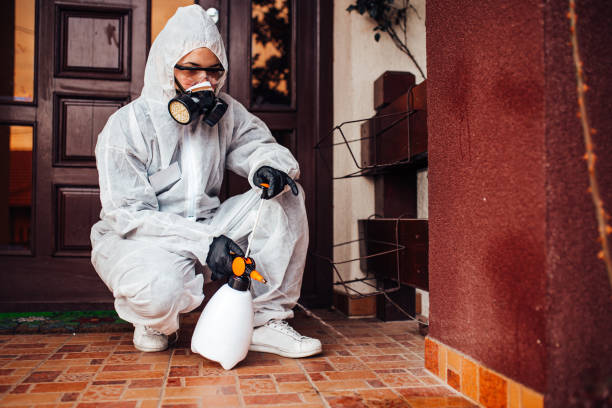
Heavy thumping in the attic at dusk is usually a raccoon, while lighter scurrying at dawn and dusk often points to squirrels — our technicians identify the species before choosing a removal method. A denning female with young behaves very differently than a lone adult passing through, which is why our technicians assess behavior patterns, not just species, before deciding on a removal timeline.
We trace scratching, droppings, and damage back to the actual entry gap before recommending trapping or exclusion.

Our Wildlife Pest Control crew is trained specifically on humane trapping methods and species-specific handling regulations.
We keep same-day slots open for active wildlife situations, especially where an animal may be trapped inside a structure.
You'll see the full cost of removal and exclusion work before we start, no surprise add-ons afterward.
We use humane cage traps and one-way exclusion doors designed to let animals leave without re-entering.
Raccoons often den in attics and chimneys to raise young, so removal timing accounts for dependent litters before exclusion begins.
Squirrels typically enter through roofline gaps and soffit damage, which we identify and seal after removal.
We seal deck and crawl space gaps after removal to prevent repeat denning by opossums or other wildlife.
Bat exclusion follows strict seasonal timing to avoid trapping flightless young inside, in line with state wildlife regulations.
Wildlife damage repair covers soffit, vent screening, and insulation affected by nesting activity.
Lyons property managers get scheduled wildlife inspections across multiple units with documented reports.

Call +1-866-315-0243 and describe the sounds or damage you're noticing — timing and location help us identify the species before arrival.
Our mobile units carry species-specific equipment, since raccoon, squirrel, and bat jobs each need different tools.
Inspection includes checking for dependent young before finalizing a removal and exclusion timeline.
Humane removal and one-way exclusion go in the same visit where possible, with entry points sealed for good.
The one-way door approach meant we didn't have to worry about the squirrel getting back in after it left to forage.
Appreciated that they explained the regulations around bat removal instead of just doing whatever was fastest.
Our apartment complex had recurring opossum activity under a few units and Nex Pest Control set up a wildlife inspection program across the property.
The technician found an old vent gap we'd never have spotted ourselves as the actual entry point behind the attic noise.

Nex Pest Control dispatches wildlife-certified technicians throughout Lyons and nearby communities, with humane trapping and exclusion gear stocked and ready. Whether it's a single raccoon in a chimney or a recurring wildlife issue across a rental portfolio, the same Lyons crew and pricing structure applies.

Timing matters too: bats are typically heard at dusk when they leave to feed, unlike raccoons which are active at night generally.
No — without sealing the entry point, another animal typically moves in within weeks, so exclusion is part of every job.
No — many bat species are protected during certain months to avoid separating flightless young from the colony, so timing follows state regulations.
Humane methods are standard for all wildlife removal, in line with state wildlife handling regulations.
Timing is adjusted to avoid trapping young inside once the parent is excluded.
Repair work covers soffit, vents, and insulation affected by nesting, available as part of the exclusion service.
One call to +1-866-315-0243 gets a certified wildlife technician on your schedule.
Call +1-866-315-0243